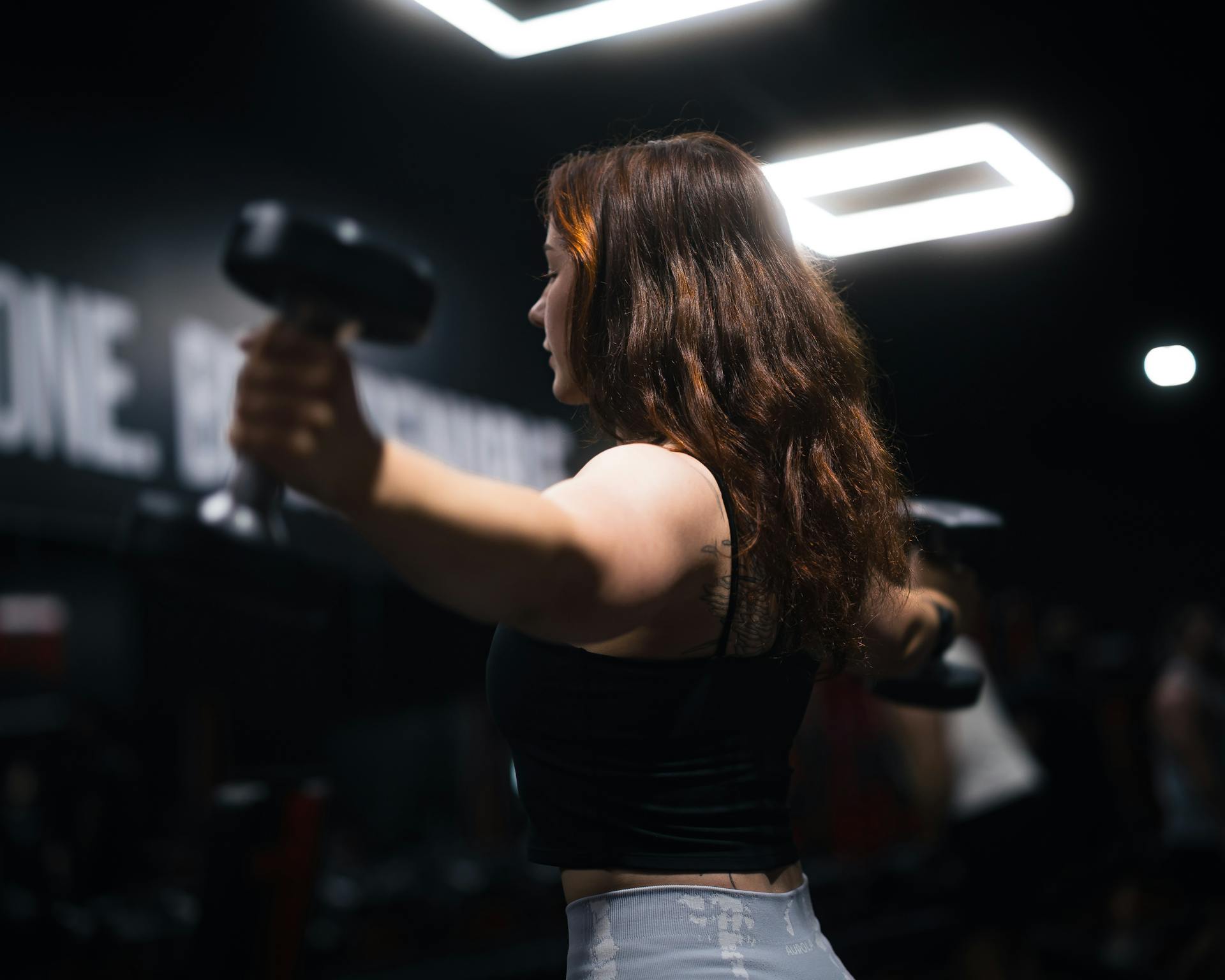
Post-natal fitness regimens tend to come up when women decide to get back into shape after giving birth, and while there are concerns that may affect the process, there is a great deal of pressure involved. Many believe that “bouncing back” should be swift, but the truth is that the period of recovery is anything but predictable. It is important to know when and how to resume your training regimen.
Firstly, one should be aware of the physical toll that pregnancy and labor have had on their body. Whether delivery was vaginal or surgical, the experience will have taken its toll on your muscular and skeletal system.
Post-natal recovery involves more than a simple physical change – there are many internal factors to consider. Therefore, the consensus among medical experts is that you should wait for your first post-natal check-up (approximately six weeks, depending on your birthing experience).
This is not to say that you need to be sedentary during this period. In fact, some light movement may be beneficial at this stage. Short walks, basic stretching and breathing exercises will help to improve blood circulation, uplift your mood, and connect you to your body.

One of the key areas that should be addressed after giving birth is the strengthening of the pelvic floor muscles. They play an essential role in supporting the bladder, bowels, and uterus. The pelvic floor muscles may get weaker due to the physical stress of the baby’s delivery. Engaging in regular pelvic floor exercises can help avoid problems with incontinence and prepare your body for further movements. The next crucial area to be improved is the core. In some cases, the abdominal muscles may get separated during pregnancy and delivery, leading to a condition called diastasis recti. To address this problem, one should start with simple core exercises to prevent injuries and complications.
Once your body recovers sufficiently and gets approved by a physician, you can gradually introduce more advanced exercises. Activities like walking, swimming, cycling, and even postnatal yoga are great options for improving your endurance and regaining muscle strength. At this point, it is critical not to focus on results and speed but rather make sure that you feel comfortable and safe performing exercises.

The difficulty with the postpartum fitness is the management of expectations. Most women expect to go back to their pre-pregnant shape immediately; however, such an approach can lead to disappointment and frustration. Every woman needs different time frames to achieve her goals because she experiences many physiological and psychological changes. For instance, lack of sleep and hormonal changes are just a few reasons why the recovery period takes longer than expected. Therefore, some progress seems minimal; however, there is nothing wrong with it.
It should be mentioned that the postpartum period is the perfect opportunity to change the attitude towards fitness in general. Instead of trying to look attractive, one can pay attention to her body strength, stamina, and general well-being. In addition to that, physical activity can significantly improve a person’s mental state. For instance, some researchers prove that training reduces anxiety and creates routines for mothers. Nevertheless, exercising should not create extra stress for women; thus, there are days when it is better to relax.
Support plays a crucial role in the return to physical activity after giving birth. Women can join postpartum groups, attend classes for new mothers, consult trainers, and so forth.

Another important factor to consider is when there are red flags indicating that one’s body is not prepared for engaging in particular activities. Indicators such as pain in the pelvis, feeling heavy in the area, leaking, or discomfort should not be dismissed. This might mean that the body requires more time to heal or even special assistance like pelvic health physiotherapy.
Finally, when it comes to postpartum fitness, there is no “body regain” but moving forward with renewed respect for one’s body which has grown a baby, sustained its growth, and given birth. Starting out slow and recovering is essential, but also releasing the unrealistic expectations attached to one’s previous state of physicality is crucial.
The journey towards postpartum fitness will differ from person to person. There is no right timing. The most crucial factor is to feel good, confident, and supported in one’s body during the process of restarting one’s training routine.
Leave a Reply