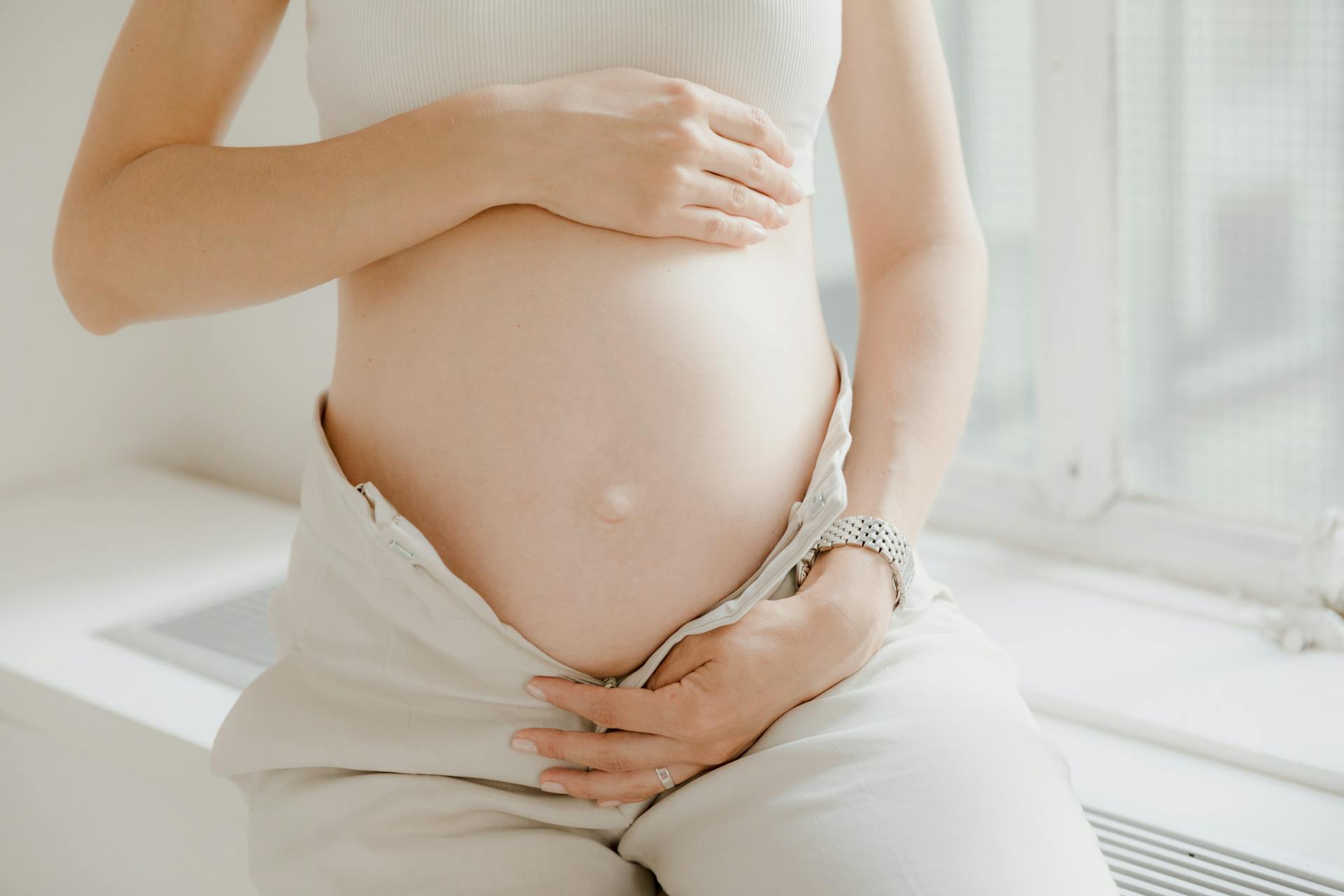
Labour can be an emotionally challenging process, particularly during its early phases when many women prefer to remain at home before being admitted to the hospital or birthing center. For new mothers especially, learning how to alleviate your pain using natural methods at home can ensure that you are confident and ready for whatever comes next.
This article will provide information on the use of safe, evidence-based pain-relief methods at home during the early stages of labor. Keep in mind that each woman’s labor is unique, and not all techniques will work the same way for everyone. Early labour marks the initial phase of delivery, where the cervix undergoes changes such as softening, effacement, and dilation. In early labour, contractions may not be regular and may be spaced farther apart. The NHS suggests that many individuals are advised to remain at home during early labour if the mother and child are healthy.
The duration of early labour ranges from hours to days, particularly in cases involving first-time mothers. It is crucial to manage comfort at home to conserve energy for the onset of active labour.
1. Movement and Changing Positions
One of the most effective natural methods for managing pain during labour involves being gently mobile. Simple actions such as walking around the house, rocking from side to side, or changing positions may assist the fetus in getting into an optimal position and relieve pressure on the back.
Some positions which may be helpful include:
• Leaning forward while standing
• Hand and knee rocking
• Birth ball sitting
• Walking slowly with rests
According to the American College of Obstetricians and Gynecologists, being mobile during early labour can increase comfort levels and may lead to more efficient labour.
2. Breathing Techniques for Pain Relief
Breathing exercises can be considered the most effective way of controlling pain during labor.
One exercise would be:
• Breathing slowly in through your nose
• Breathing out slowly through your mouth
• Paying attention to taking even breaths while having contractions
Many birthing classes will advise you to practice breathing regularly in order to cope with your contractions and stay calm.
Breathing control is one of the relaxation exercises recommended by the NHS to ease pain during labor.
3. Warm Baths or Showers
Warm water can actually be very comforting during early labour. The use of baths or showers can help in relaxing muscles, relieve backaches, and decrease stress levels.
It is also quite common for some women to experience a feeling of lightness as well as comfort during their contractions due to warm water.
Nevertheless, it should also be noted that warm water should not be too hot.
4. Massage and Counter Pressure
Massage can be very effective in easing back pain during contractions. A birth partner can apply gentle pressure to the lower back or shoulders, especially during contractions.
Counter pressure on the lower back can be particularly helpful if the baby is positioned in a way that causes back labour pain.
The Mayo Clinic notes that physical comfort measures such as massage and relaxation techniques can help reduce perceived pain during labour.
5. Using a Birth Ball
A birth ball is an inflated exercise ball that is utilised by pregnant women during pregnancy and delivery. Sitting or bouncing gently on the ball is effective for opening the pelvis and making baby movements easy.
The benefits include:
• Maintaining lower back comfort
• Supporting baby positioning
• Making baby movements easy
The birth ball is a useful device, according to most midwives, for handling early labour pains at home.
6. Heat Therapy
Heating the lower back or the stomach area can aid in muscle relaxation and relieve the feeling of cramps. This can be accomplished through the use of:
• Heated water bottles
• Heated pads
• Heated towels
This method can prove very effective for dealing with back pains experienced during childbirth by some ladies.
7. Staying Calm and Emotionally Supported
The state of mind has an enormous impact on the sensation of pain during labor. The feeling of safety, support, and calmness may trigger the secretion of endorphins that can reduce pain.
A supportive person in the room can make a considerable difference. Supportive comments, encouragement, and a calm attitude can be just as effective as physical relief methods. According to NHS guidelines, psychological assistance is crucial during labor due to its positive influence on the sensation of pain.
8. Eating and Drinking in Early Labour
If you are able, small snacks and drinks can help keep your energy up. Labor can be strenuous, so hydration is key.
Great choices would be:
• Water
• Electrolyte drinks
• Small snacks such as toast or fruit
Listen to your body and avoid eating large meals.
9. Resting Between Contractions
Rest is just as important as movement. Early labour can last a long time, so conserving energy is essential.
Try to:
- Sit or lie down between contractions
- Close your eyes and relax
- Focus on breathing slowly
Rest helps prepare your body for the more intense stages of labour later on.
In Conclusion
Natural management of labor pain involves comfort, relaxation, and cooperation with your body as it gets ready to give birth. Natural techniques such as movement, breathing, warm water baths, and emotional support play an instrumental role in making childbirth comfortable especially in early labor.
Every childbearing experience is different; there are therefore no ideal ways of going through labor. The important aspect is learning how to communicate with your body and moving on to a hospital setting where necessary. Early labor at home becomes much easier with good preparation and attitude.
Leave a Reply